







Search Results for: franchise with existing stores
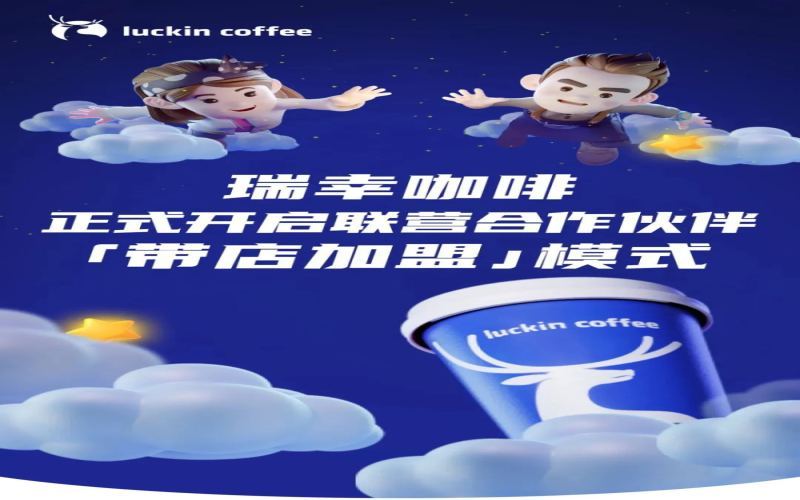
Luckin launches a new franchise strategy with existing stores, and franchisees of brands like Cotti may shift to rebranding their operations.
Luckin Coffee recently announced through its official WeChat account the launch of a "bring-your-own-store franchise" model, opening joint-operation partnerships to investors who are currently operating stores or own commercial properties. The policy has not yet disclosed specific franchise conditions or revenue-sharing plans, but it has clearly defined construction requirements such as store location, area, and storefront signage, and will initially cover 241 cities nationwide, with a focus on avoiding saturated tier-one and tier-two markets. This move is seen as helping Luckin seize more prime locations and attract investors who had originally planned to franchise with other brands such as Cotti to "switch banners" and join. Against the backdrop of ongoing cutthroat competition in the coffee market, Luckin has officially entered the era of 10,000 stores, accelerating expansion through a combined strategy of self-operation, joint operation, and bring-your-own-store franchising. [more…]
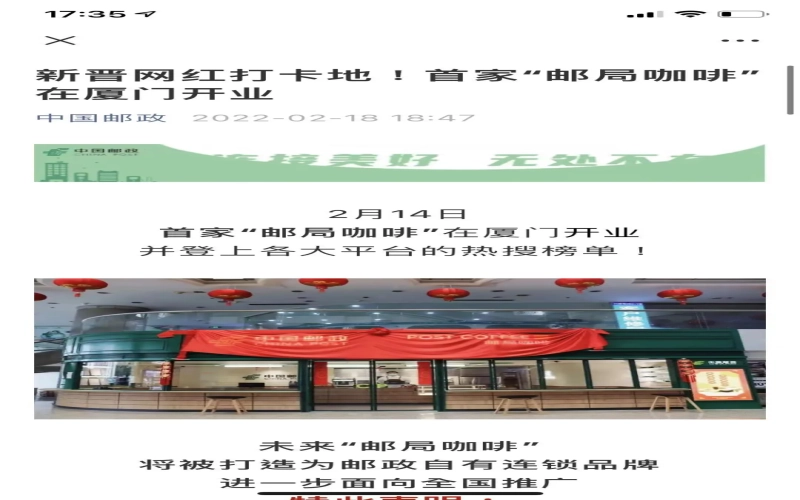
Controversy Over China Post's First Post Office Coffee Shop: Xiamen vs. Zhongshan—Which Is the Authentic One? Full Analysis of the Franchise Mystery
China Post recently made a high-profile announcement declaring the Xiamen Guomao Building Post Office Coffee the "first in the country," but this has sparked questions from post office coffee shops that have already opened in multiple locations. From negotiations for authorization at the Beijing headquarters in 2021, to the establishment and operation of Shanghai Zhongyu Jiaye, and then to the Zhongshan Postal Branch claiming that authorized stores already existed last December, a dispute over "first" and "authentic" has surfaced. Contradictions between the official WeChat account's statements and local declarations, along with rumors of franchising, have made the situation even more confusing. This article will sort out the timeline of Post Office Coffee, the claims of all parties, and the focal points of the controversy, and include professional coffee news to help you clarify the truth behind this mix-up. [more…]
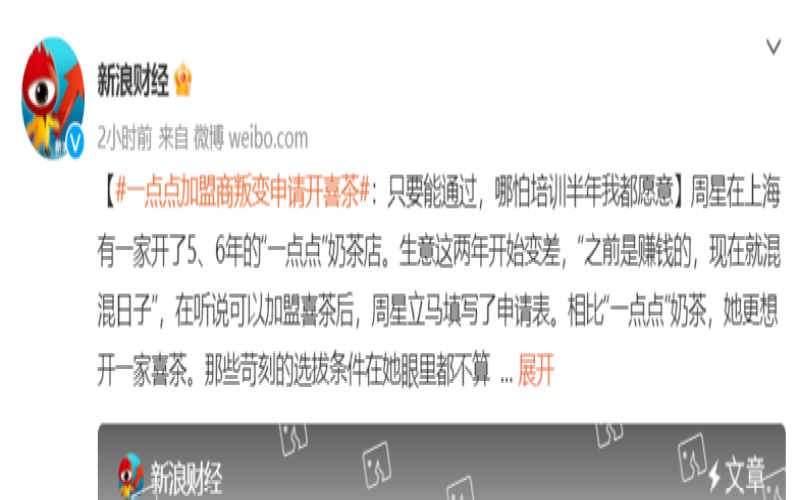
HEYTEA's opening of franchising draws attention: Yidiandian franchisees show interest in switching, but can the high-threshold review deliver as hoped?
The new tea beverage market landscape is constantly evolving. Even HEYTEA, which insisted on direct operation for ten years, has announced it will open franchising, targeting lower-tier markets. This strategy has attracted the attention of many franchisees, and some former Yidiandian franchisees are even planning to abandon their old stores to switch to HEYTEA. However, HEYTEA's partner selection criteria are quite strict—not only are the fees not low, but applicants are also required to commit full-time, provide proof of assets, and have management experience. Whether switching is wise remains unknown. This article compiles relevant reports and data, and includes a Front Street Coffee information entry for readers' reference. [more…]
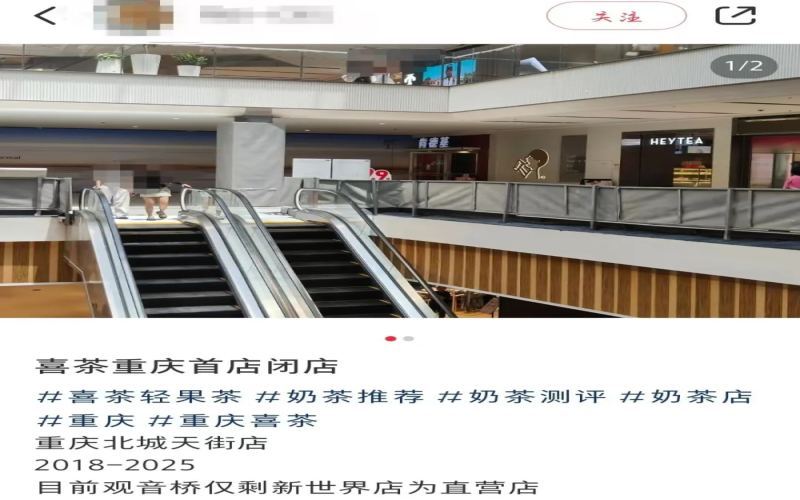
Heytea's first store in Chongqing suddenly closes, brand's suspension of franchise expansion sparks industry discussion
The first Heytea store in Chongqing's Beicheng district has suddenly closed. This store, which had been highly popular since opening in 2018, was once regarded as a landmark presence for the brand in the Chongqing market. The closure surprised many loyal customers, and Heytea's subsequent internal email announcing the suspension of business partnership applications caused even more waves in the tea beverage industry. From the end of its first Chongqing store to the successive closures or suspensions of stores in Zibo, Xuecheng, Binhu and other places, and then to the company's proactive halt of franchise expansion, Heytea's series of moves have sparked widespread discussion about brand strategy adjustment, store quality control, and the competitive landscape of the industry. [more…]
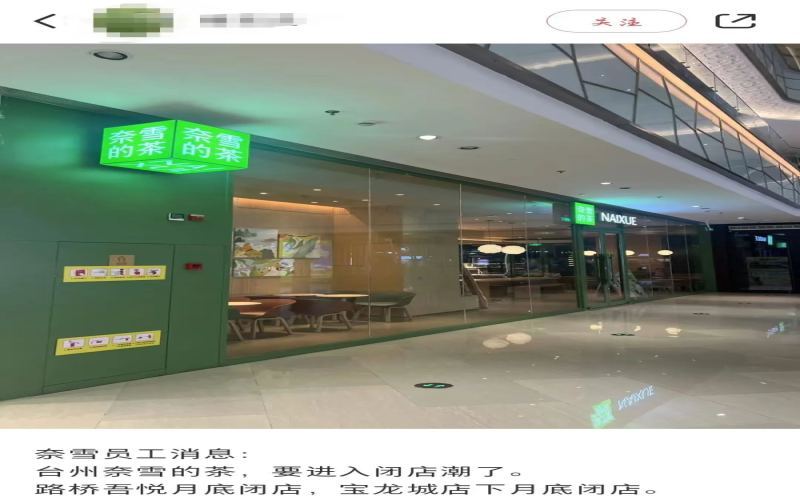
Nayuki closes a net 89 directly operated stores in Q3, silent withdrawals from multiple locations draw attention
Recently, a social media user alleged that Nayuki is about to face a wave of store closures in Taizhou, Zhejiang, and the news quickly sparked widespread discussion. According to Nayuki's official Q3 2024 operational report, the brand closed a total of 89 directly operated stores during the quarter. Although it opened 23 new directly operated stores and 56 franchise stores in the same period, its overall store count still shrank by 10. Compared with Heytea, which has already reached 4,417 stores, Nayuki's pace of expansion has clearly slowed. The company said it will adopt a more prudent store expansion strategy and optimize the performance of existing directly operated stores, but many consumers have reported issues such as declining product quality control and baked bread being switched from freshly baked to pre-made products, raising concerns about the brand's prospects. This article will examine Nayuki's current operational challenges from two dimensions: data and consumer feedback. [more…]
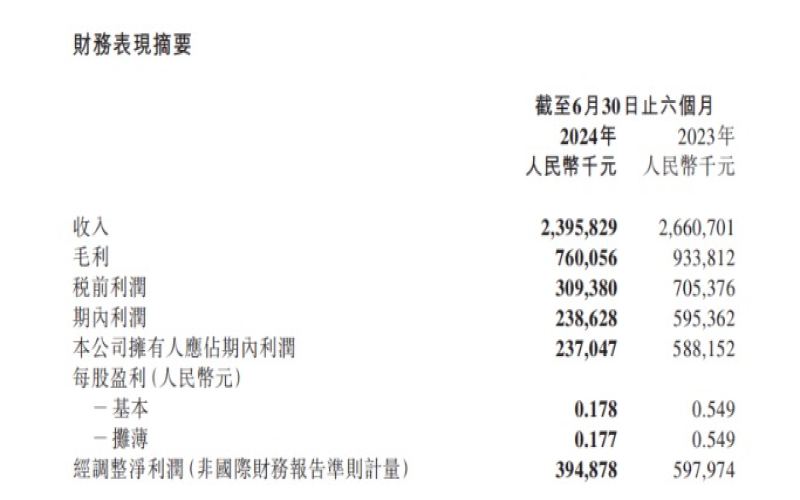
Tea Baidao's first semi-annual report after listing is out: net profit fell nearly 60% year-on-year, with franchise support and supply chain weaknesses in the spotlight.
The first half-year report delivered by ChaPanda after its listing in Hong Kong shows that both revenue and net profit declined in the first half of 2024, with net profit falling by nearly 60% year-on-year. The company attributes this to increased support for franchisees and greater market investment. At the same time, the number of stores continues to grow, but its market value has shrunk significantly, and its reliance on external suppliers for its supply chain is also seen as a key weakness. This article will sort through the core data in the financial report, the adjustments to franchise policy and their knock-on effects, and compare the competitive landscape of the industry, to help coffee and tea beverage enthusiasts understand the challenges this brand currently faces. [more…]
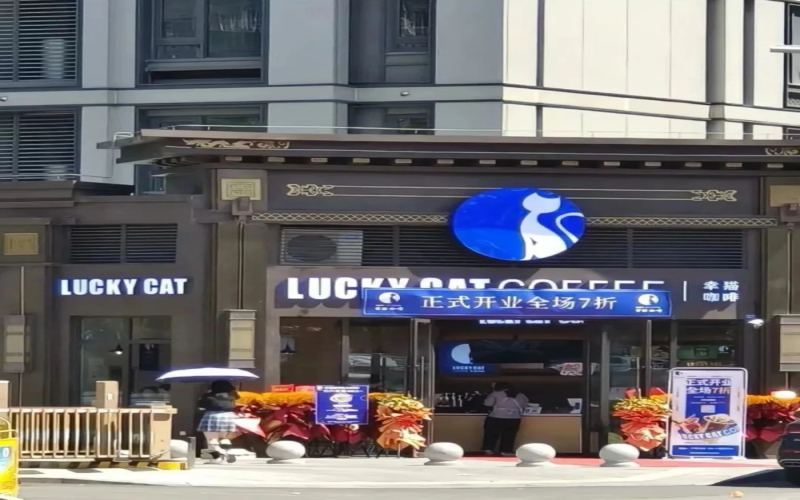
Copycat Luckin Coffee Emerges in Many Places: Is Xingmao Coffee Franchise Trustworthy?
Recently, a knockoff brand highly similar to Luckin Coffee has been appearing in multiple cities — Lucky Cat Coffee (LUCKY CAT COFFEE). The brand is extremely close to Luckin in visual design, store decoration, and even staff attire, sparking heated discussion among netizens. Lucky Cat Coffee has been springing up across the country since April this year, and many consumers mistakenly believed it was a rebranding or sub-brand of Luckin. Although Luckin has officially responded, discussions about whether Lucky Cat Coffee is legitimate and whether it can be franchised continue. This article will sort out the sequence of events and remind entrepreneurs to be cautious when choosing a franchise brand, so as to avoid losses caused by an unstable brand foundation. [more…]

Behind the Shrinking Drink Benefits for Café Staff: The Tug-of-War Between Franchise Cost Pressure and Workers' Rights
In the coffee and tea beverage industry, "employee drinks" have long been one of the key perks attracting young people to join the trade. Recently, however, multiple employees of Heytea and Luckin Coffee have alleged that their stores have canceled or scaled back this benefit, citing declining performance. An investigation found that employee perks at directly operated stores are still intact for now, but workers at franchise and joint-venture stores are frequently seeing their benefits shrink. The employee drink perk promised by the brands is actually borne by franchisees, and some franchisees, in order to cut costs, either cancel the benefit or strictly tighten the conditions for using it. This phenomenon has drawn industry attention: when the pressure of store operations is passed down to frontline employees, who should foot the bill for employee benefits? Front Street Coffee keeps a close eye on developments in the coffee industry, and this article takes you through the ins and outs of this battle over benefits. [more…]
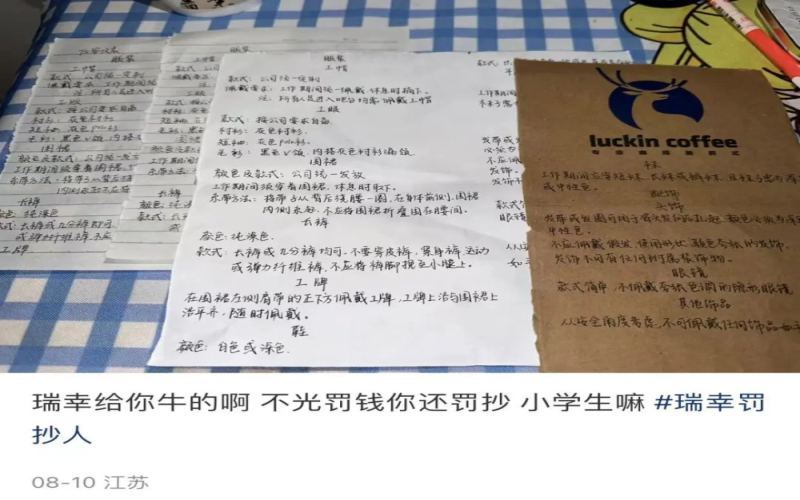
Luckin store fines and forced copying persist despite repeated bans, franchise employees complain: a 3,000 yuan monthly salary deducted 1,000 and still forced to copy five times
Luckin Coffee's store management issues have once again drawn attention. Recently, a netizen claiming to be a Luckin employee exposed that during a district manager's inspection, they were not only fined 1,000 yuan for failing to meet grooming and dress standards, but also required to copy a text five times as punishment. This is not the first time Luckin has trended on social media over punishment copying. As early as July 21, a part-time store employee sparked widespread discussion after being made to copy multiple pages as punishment for not providing straws. Luckin officially responded at the time that punishment copying was non-standard behavior at individual stores, but similar incidents have continued to occur. Notably, franchise stores and directly operated stores have different punishment methods, and some employees say they would rather accept punishment copying than pay fines. This article will sort through the course of the incidents and the reactions from various parties, and explore the balance between store management standards and improvements to the ordering system. [more…]
HEYTEA Closes Multiple Stores in Succession, Tightens Franchise Policy to Limit New Store Expansion
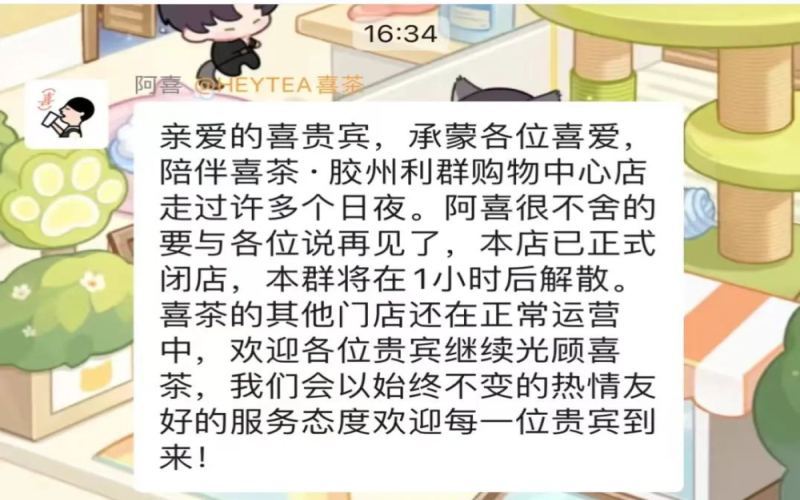
Since early November, news of Hee Tea closing stores in multiple cities has emerged one after another, sparking widespread attention. Some netizens reported that stores they frequented suddenly ceased operations—not for renovation and upgrades, but for permanent closure. According to statistics, stores closed in November include the Ganzhou Market store in Zhangye, Gansu; the Lanzhou Guofang Department Store store; and the Zhejiang University Zijingang Campus store, among other locations. Among them were both established stores that had operated for a decade and new stores that had been open for less than six months. This phenomenon is believed to be related to an internal letter Hee Tea released in September, which stated that the company would no longer pursue short-term store-opening speed and would instead focus on store quality and operational excellence. At the same time, a blogger claiming to be a city partner revealed that Hee Tea's franchise policy is being adjusted, with applications becoming more difficult, store-building costs increasing, and even a trend of "restricting new store openings and encouraging closures." [more…]

Maxim's Group's Starbucks East Asia Empire Surpasses 1,000 Stores: The Expansion Path from Hong Kong and Macau to Southeast Asia
Maxim's Group has officially surpassed 1,000 Starbucks stores across East Asia, a milestone reached with a new store at the Diamond Plaza shopping center in Hanoi, Vietnam. From partnering with Starbucks to enter Hong Kong in 2000 to now spanning seven markets—Hong Kong, Macau, Singapore, Thailand, Cambodia, Laos, and Vietnam—Maxim's Group has become one of Starbucks' most important franchise partners in East Asia. This article reviews the history of their partnership, the distribution of stores in each market, and plans to expand to 800 stores in Thailand in the future. For readers interested in coffee industry trends, Front Street Coffee also continues to bring in-depth reports like this. [more…]
Tims Tianhao China Added Only 4 Net Stores in Q1, Debt Ratio Climbed to 127.8%
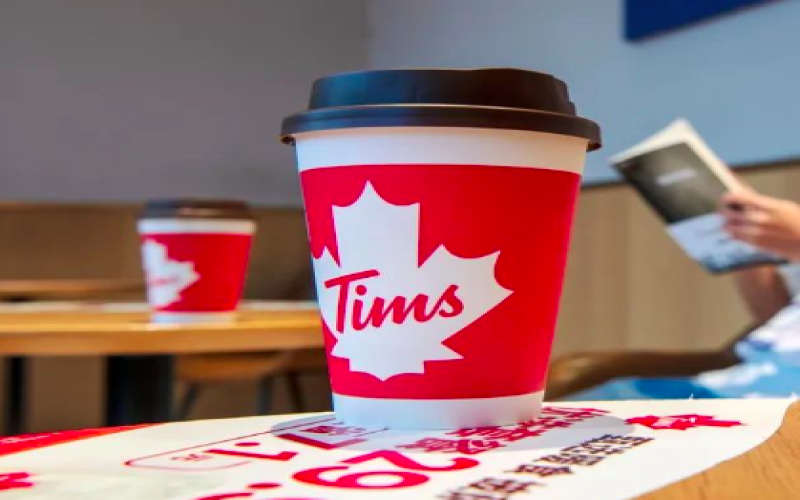
Tims China has released its Q1 2024 financial report, with revenue up 3.1% year-on-year to 346.8 million yuan and system sales up 7.1% to 363.5 million yuan. However, this seemingly steady performance did not win investor approval, and the stock price fell on the day the report was released. More worrying is that the company added only 4 net new coffee stores in the first quarter, a sharp drop from 149 net new stores in the previous quarter and the lowest expansion record since going public. At the same time, the price war in the coffee industry continues to escalate, forcing Tims into the 9.9 yuan competition. Combined with the limited effect of its bakery product price increase strategy, the company's net loss reached 142.8 million yuan, and its debt ratio rose to 127.8%. Although it has secured US$20 million in financing from Cartesian Capital to ease cash flow pressure, its financial difficulties have not been fundamentally resolved. In terms of the franchise business, although applications reached 3,000, only 19 stores actually opened, a stark contrast. Tims once proposed a goal of 10,000 stores in 5 to 10 years, but given the current situation, that vision is becoming increasingly distant. [more…]
Luckin's Q2 revenue overtakes Starbucks China for the first time, with its ten-thousand-store scale and 9.9 strategy as key drivers
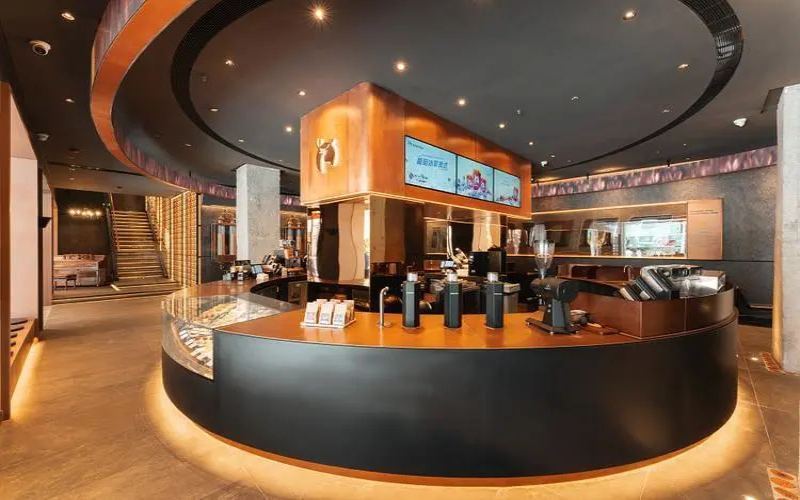
In the second quarter of 2023, Luckin Coffee delivered a remarkable report card: total net revenue of 6.2014 billion yuan, up 88% year-on-year, surpassing Starbucks China in revenue for the first time. At the same time, Luckin's total store count exceeded 10,836, making it the first chain coffee brand in China with over ten thousand stores. From the "store-attached franchise" policy to the "9.9 yuan every week" customer rewards campaign, Luckin is turning its scale advantage into long-term benefits for consumers. In overseas markets, however, Luckin has not continued its domestic low-price strategy; prices at its Singapore stores are even higher than those of local Starbucks, sparking considerable discussion. This article will walk you through the key figures and strategic moves behind Luckin's financial report. [more…]

Luckin Coffee partners with Dazi Industries to expand into Malaysia, will open multiple stores in the first quarter of 2025
Luckin Coffee has officially obtained the franchise rights for the Malaysian market, and the partner is not the previously rumored Berjaya Group, but Global Aroma Sdn Bhd, a subsidiary of Grand Industrial. According to the agreement, GASB will develop, open, and operate stores under the Luckin Coffee brand in Malaysia over a 10-year period, with the right to renew for two consecutive 5-year terms. Major shareholder of Grand Industrial, Wang Ziming, stated that this is a strategic investment aimed at aggressive nationwide expansion and replicating Luckin's success. Luckin Coffee CEO Guo Jinyi also noted that this move marks an important step in the brand's international expansion. Grand Industrial plans to open multiple Luckin stores in Malaysia in the first quarter of 2025, with initial costs covered by a combination of internal funds and bank loans. [more…]
Cotti vs. Luckin: A Full Analysis of Franchisee Battles and Barista Poaching
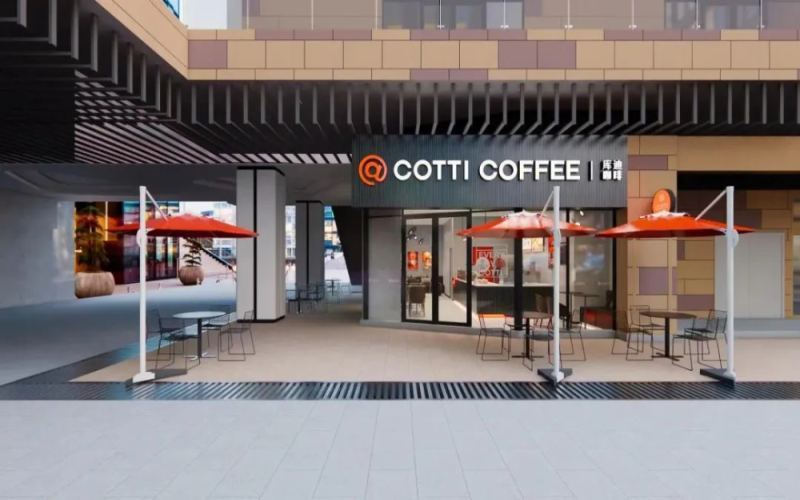
The competition between Cotti Coffee, founded by Lu Zhengyao, and Luckin Coffee is extending from the market to a battle for talent and franchisees. This article examines how Cotti, leveraging its "former Luckin founder" label and low-threshold policies, attracts former Luckin franchisees and baristas to switch sides, and analyzes its strategy of setting up shop right next to Luckin in third- and fourth-tier cities to directly capture Luckin's customer traffic. It also looks at the strong Luckin background within Cotti and the head-to-head confrontations between the two in small-city commercial districts. Through multiple cases and interviews, it reveals the fierce rivalry in the coffee arena. [more…]
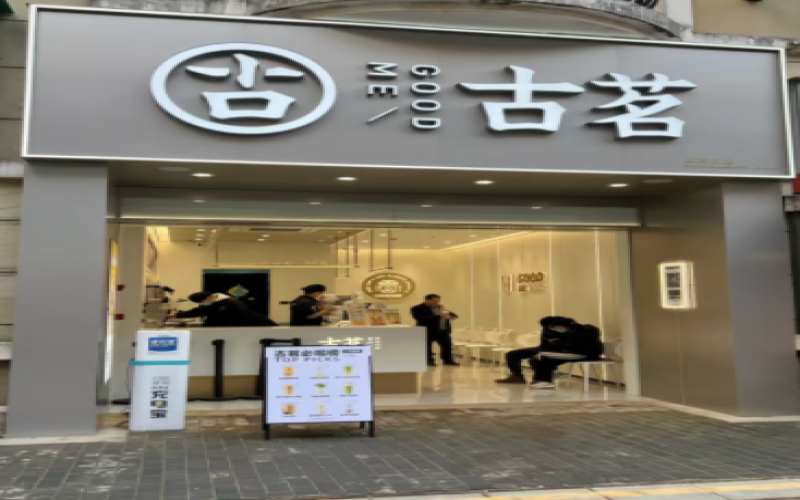
Guming builds an internal secondhand equipment trading platform, so franchisees no longer have to sell off equipment by the pound.
New tea beverage brand Guming has recently launched a second-hand equipment trading platform within the DingTalk system, open to all franchisees, providing matchmaking services only and not directly participating in buying or selling. The platform offers valuation and inspection services for sellers, and price comparison and anti-fraud protections for buyers. According to Guming's prospectus, equipment sales account for approximately 4.5% of revenue, while franchisees' initial equipment investment is about 100,000 yuan. As competition in the new tea beverage industry intensifies, a wave of store closures once led to a backlog of unsold second-hand equipment, with recyclers even disposing of it as scrap metal. Whether Guming's move can provide franchisees with a safer and more convenient transfer channel is worth watching. Front Street Coffee has long monitored trends in the coffee and tea beverage industries and will continue to track the platform's actual performance. [more…]
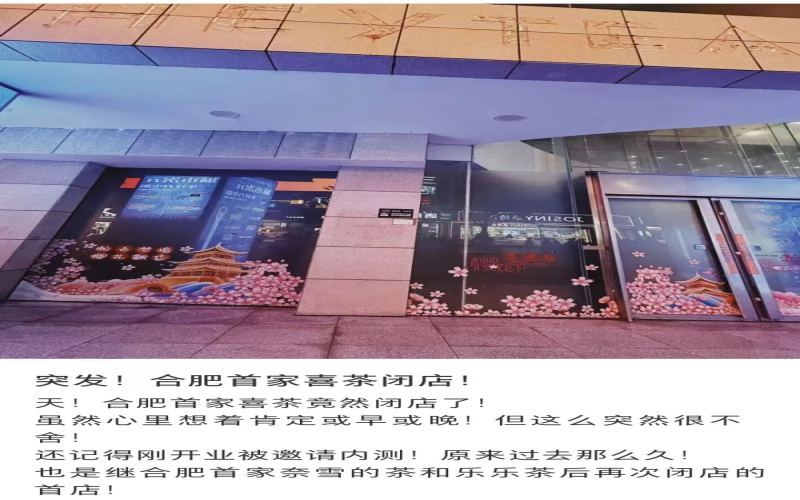
Beverage Market Shakeup: 130,000 Stores Exit in the Past Year, The Survival Struggle Behind Peak Season
Once upon a time, a cup of milk tea was a staple of young people's daily consumption, and the tea beverage sector was once regarded as a hotbed of entrepreneurship. However, the latest data shows that in the past year, about 130,000 milk tea shops across the country quietly exited the market, with an average of more than 350 operators choosing to close their stores every day. Even leading brands such as Heytea and Nayuki's Tea have found it hard to escape store closures for their first outlets in some cities. A peak season that is not peak, cutthroat price competition, and rising franchise risks have plunged this once-booming industry into a deep round of reshuffling. This article, drawing on data from multiple sources including Zhaomen Catering and Jihai Brand Monitoring, analyzes the multiple reasons behind the large-scale contraction of tea beverage stores. [more…]
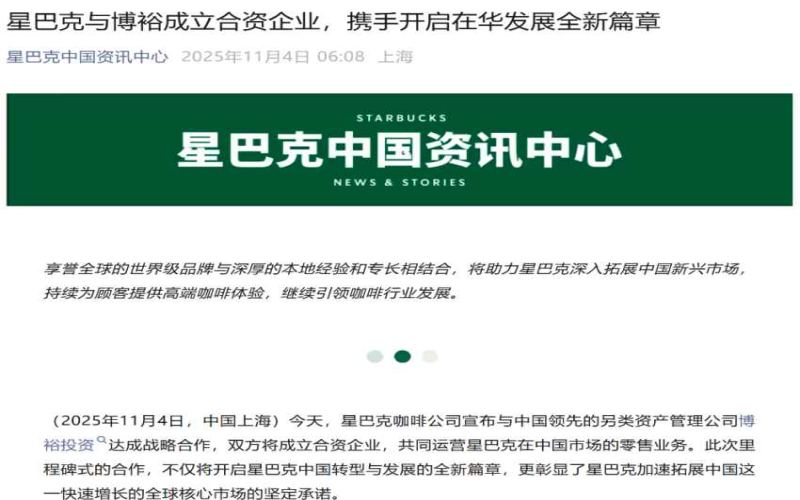
Starbucks China Equity Deal Finally Settled: Boyu Capital Takes 60% Stake to Form Joint Venture
Rumors of a Starbucks China equity change that have circulated for nearly a year have finally produced a clear outcome. Starbucks and Boyu Capital have reached an agreement to establish a joint venture in China to jointly operate the retail business, with Boyu holding up to 60%, while Starbucks retains 40% and continues as the brand and intellectual property licensor. The deal is based on an enterprise value of approximately US$4 billion, and Starbucks expects the total value of its China retail business to exceed US$13 billion. Looking back at Starbucks' entry into China, from franchising to full direct operation, and now returning to a joint venture model, this shift has sparked widespread attention regarding its future direction. The new joint venture will continue to be headquartered in Shanghai, operate the existing more than 8,000 stores, and plans to gradually expand to 20,000. [more…]
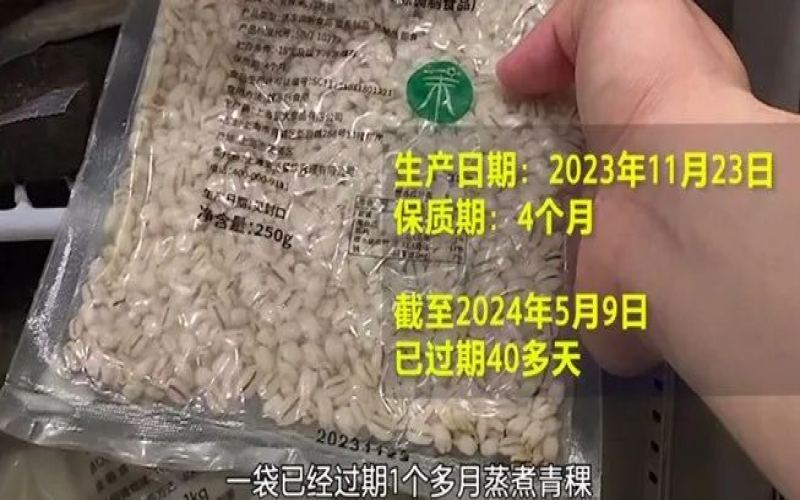
More Yogurt Exposed for Illegal Use of Expired Ingredients, Brand Issues Urgent Apology and Permanently Terminates Involvement with the Store
The freshly made yogurt sector has been hit by yet another food safety scandal. An undercover reporter from The Beijing News worked inside several More Yogurt franchise stores in Beijing and found that oat and highland barley toppings more than forty days past their expiration date were still being used as usual, expiry labels existed in name only, and decisions to scrap fruit relied entirely on staff members' sense of smell. More worrying still, these violations were not isolated cases, but an unspoken rule tolerated by store managers in order to cut costs and boost their personal income. The brand issued an urgent apology a few hours later, announcing that the stores involved would be permanently terminated. This is already the second time this year that More Yogurt has been thrust into the spotlight; previously, the Shanghai Consumer Council questioned the labeling of its product ingredients. This article provides a complete rundown of the undercover details, the brand's response, and the latest status of its stores. [more…]
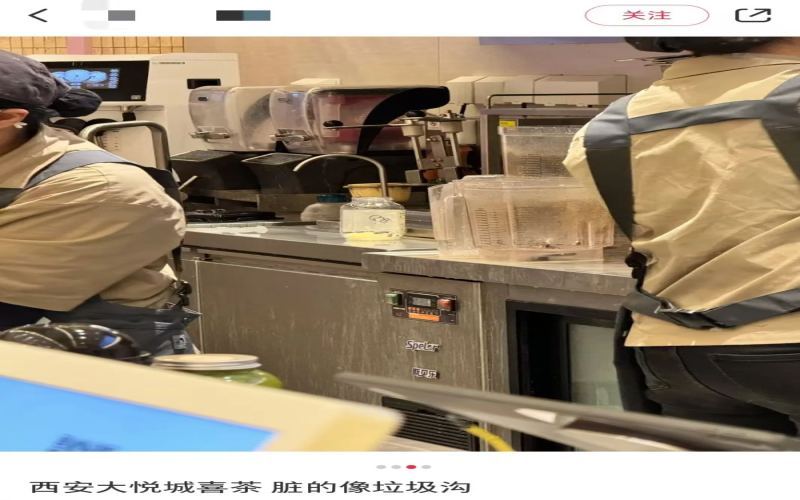
Hygiene issues at Xi'an Heytea stores spark heated discussion; official response: store has been closed for rectification and operational training strengthened
Recently, a Heytea store in Xi'an Joy City was exposed by consumers for poor hygiene conditions in its preparation area, quickly sparking heated discussion online. According to the whistleblower, the store's counter, refrigerators, juicers, and other equipment were covered in milk tea stains, materials were scattered around, and there was even a strong smell of sour rags and rotten fruit. Upon verification, the store was a directly operated location rather than a franchise, which further raised public doubts about Heytea's food safety management. Heytea later issued an apology and announced that the store would be closed for rectification, while also strengthening employee training and optimizing operational standards. This incident has once again pushed the issue of hygiene control in chain tea beverage brands into the spotlight and serves as a reminder for consumers to pay attention to the transparency of beverage preparation environments. [more…]